The Bed Bug Life Cycle

Bed Bug Life Cycle: Eggs, Nymphs & Adults Explained | Custom Bedbug Inc

Bed Bug Life Cycle

Understanding how bed bugs develop and reproduce is key to effective elimination. Learn about each life stage and why timing matters for treatment.

🥚 Eggs 🐛 5 Nymph Stages 🪲 Adults ⏱️ 6-10 Week Cycle

Bed bugs go through a simple metamorphosis with three main life stages: egg, nymph, and adult. Unlike insects with complete metamorphosis (like butterflies), bed bug nymphs look like smaller versions of adults and must feed on blood at each stage to grow.

Understanding this life cycle helps explain why infestations grow so quickly—and why professional treatment that targets all life stages is essential for complete elimination.

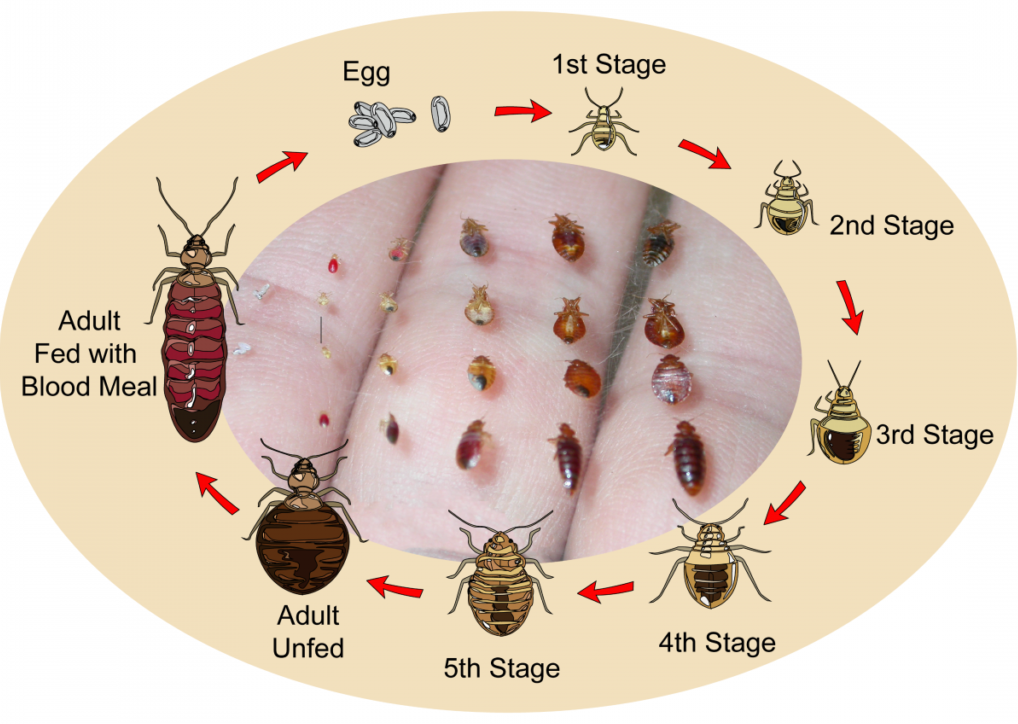
Bed bug life cycle infographic showing eggs, nymphs, and adults

Complete bed bug life cycle: egg to adult in 6-10 weeks

6-10 Weeks from egg to adult
1-5 Eggs laid per day by females
200-500 Eggs per female lifetime
5 Nymph stages before adulthood
4-12 Months adult lifespan

🔄 Life Cycle Overview

The bed bug life cycle consists of seven distinct stages:

  1. Egg — Tiny white oval, about 1mm long
  2. 1st Instar Nymph — Smallest nymph, nearly colorless
  3. 2nd Instar Nymph — Slightly larger, still pale
  4. 3rd Instar Nymph — Beginning to show color
  5. 4th Instar Nymph — More pronounced color
  6. 5th Instar Nymph — Largest nymph, similar to adult
  7. Adult — Fully mature, reddish-brown, apple seed size
All bed bug life stages from eggs to adults

All bed bug life stages: eggs, nymphs (instars 1-5), and adults

💡 Key Insight: Blood Meals Required

Each nymph stage requires at least one blood meal to molt and advance to the next stage. Without access to a host, development stalls—but bed bugs can survive months without feeding while waiting for an opportunity.

🥚 Stage 1: Eggs

Bed bug eggs are the starting point of every infestation—and one of the biggest challenges for treatment.

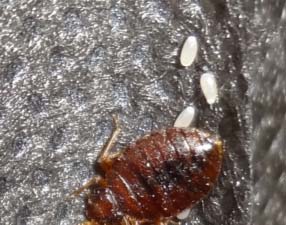
Cluster of bed bug eggs on wood
EGGS

Egg Characteristics

  • Size: About 1mm long (size of a pinhead)
  • Color: Pearly white, translucent
  • Shape: Oval, slightly curved
  • Texture: Sticky coating helps them adhere to surfaces
  • Hatch time: 6-10 days at room temperature

Where Eggs Are Found

Female bed bugs lay eggs in protected, hidden locations near their food source (you):

  • Mattress seams and piping
  • Cracks in headboards and bed frames
  • Inside box springs
  • Behind baseboards and outlet covers
  • In furniture joints and screw holes
  • Along carpet edges
Bed bug eggs and eggshells closeup

Eggs and empty eggshells (hatched)

Bed bug eggs with fecal spots

Eggs with fecal spots on fabric

Bed bug eggs in zipper

Eggs hidden in mattress zipper

🚨 Why Eggs Are a Problem

  • Invisible to the eye — Hard to spot without magnification
  • Resistant to many treatments — Most sprays don't kill eggs
  • Hidden in crevices — Often tucked into inaccessible spots
  • Left behind after DIY treatment — Leads to re-infestation

This is why heat treatment is so effective—it penetrates hiding spots and kills eggs that sprays can't reach.

🐛 Stages 2-6: Nymphs (Instars)

After hatching, bed bugs go through five nymph stages (called instars) before reaching adulthood. Each stage requires at least one blood meal to molt and progress.

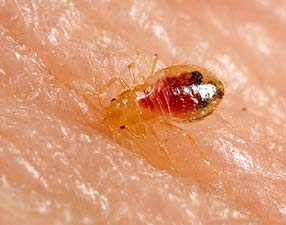
Bed bug nymphs compared to adult
NYMPHS

Nymph Characteristics

  • Size: 1.5mm (1st instar) to 4.5mm (5th instar)
  • Color: Translucent to pale yellow; redder after feeding
  • Shape: Same as adults, just smaller
  • Feeding: Must have blood meal to molt
  • Molting: Sheds skin at each stage

The Five Nymph Stages

Stage Size Appearance Duration
1st Instar 1.5mm Nearly colorless, very difficult to see ~1 week
2nd Instar 2mm Pale, slightly more visible ~1 week
3rd Instar 2.5mm Yellowish, beginning to show color ~1 week
4th Instar 3mm Light brown, more pronounced ~1 week
5th Instar 4.5mm Brown, nearly adult size ~1 week
Bed bug nymphs and eggs on fabric

Tiny nymphs and eggs clustered on upholstery fabric

💡 Shed Skins: Evidence of Infestation

Each time a nymph molts, it leaves behind a translucent exoskeleton (shed skin). Finding these casings near beds is a key sign of active infestation—it means bed bugs are actively feeding and growing in your home.

Learn more about signs of bed bugs →

Molted bed bug exoskeleton

Molted bed bug skin (exoskeleton) — a key sign of infestation

🪲 Stage 7: Adults

After completing all five nymph stages, bed bugs reach adulthood and become reproductively mature. This is when they're most visible—and most prolific.

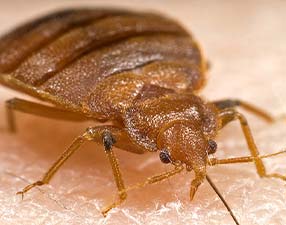
Adult bed bug closeup
ADULT

Adult Characteristics

  • Size: 4-5mm long (apple seed size)
  • Color: Reddish-brown (darker after feeding)
  • Shape: Flat, oval; swollen after feeding
  • Lifespan: 4-12 months (up to 18 months in cool conditions)
  • Feeding: Weekly blood meals preferred

Adult Behavior

  • Nocturnal feeders — Most active 1-2 hours before dawn
  • Attracted to warmth and CO2 — How they find sleeping hosts
  • Can survive months without feeding — Especially in cool temperatures
  • Hide during the day — In mattresses, furniture, and crevices
  • Leave fecal spots — Dark marks near hiding places
Adult bed bug on fabric

Adult bed bug on fabric

Bed bug identification closeup

Adult bed bug identification

Engorged bed bug after feeding

Engorged bed bug after feeding

⚠️ Survival Without Feeding

Adult bed bugs can survive 4-6 months without a blood meal at room temperature—even longer in cooler conditions. This means:

  • Leaving a home vacant won't starve them out
  • They can survive in stored furniture and belongings
  • Empty apartments can still harbor live bed bugs

🔁 Reproduction: How Infestations Explode

Understanding bed bug reproduction explains why infestations grow so rapidly—and why early detection is critical.

Reproduction Facts

  • Mating method: "Traumatic insemination" — male pierces female's abdomen
  • Eggs per day: 1-5 eggs (after each blood meal)
  • Lifetime egg production: 200-500 eggs per female
  • Time to reproductive maturity: 6-10 weeks from egg
  • Generations per year: 3-4 under ideal conditions

🚨 The Math of Infestation Growth

Starting with just one pregnant female:

  • Week 1: 5-35 eggs laid
  • Week 6-10: First generation reaches adulthood
  • Month 3: Potentially 100+ bed bugs
  • Month 6: Potentially 1,000+ bed bugs

This exponential growth is why early detection and treatment save thousands of dollars.

Infestation Timeline

Day 1: Introduction

A single pregnant female hitchhikes home in luggage or used furniture.

Week 1-2: Egg Laying Begins

Female lays 1-5 eggs daily after feeding. Eggs hidden in mattress seams, furniture cracks.

Week 2-3: First Eggs Hatch

Tiny nymphs emerge and begin seeking blood meals. Nearly invisible at this stage.

Week 6-10: First Generation Matures

New adults emerge and begin reproducing. Population growth accelerates.

Month 3+: Established Infestation

Multiple generations present. Bugs spreading to adjacent rooms. More difficult and expensive to treat.

🔬 Concerned About Bed Bugs?

Early detection stops infestations before they explode. Our certified canine inspections detect bed bugs with 95%+ accuracy—even when populations are small.

Learn About K9 Inspections

🎯 Why Life Cycle Understanding Matters for Treatment

Knowing the bed bug life cycle isn't just academic—it directly impacts which treatments work and which don't.

The Problem with DIY Treatments

Most over-the-counter sprays and foggers have a critical flaw: they don't kill eggs.

🚫 Why DIY Often Fails

  • Sprays kill some adults and nymphs on contact
  • Eggs remain protected and continue developing
  • New nymphs hatch 6-10 days later
  • Infestation returns within weeks
  • Repeated treatments can scatter bugs to new areas

Why Heat Treatment Works

Professional heat treatment is the most effective solution because it kills all life stages in a single day.

✅ Heat Treatment Advantages

  • Kills eggs: Heat penetrates hiding spots to destroy eggs that sprays miss
  • Kills all stages: Nymphs and adults die at temperatures above 120°F
  • No resistance: Bed bugs can't develop resistance to heat
  • One-day treatment: Complete elimination in 6-8 hours
  • Reaches hidden areas: Heat flows into cracks, crevices, and furniture

Learn more about heat treatment →

Temperature Thresholds

Temperature Effect on Bed Bugs
113°F (45°C) Adults and nymphs die with prolonged exposure (90+ minutes)
118°F (48°C) All life stages die within 20-30 minutes
122°F (50°C) Rapid death of all life stages including eggs
135-145°F Professional treatment temperature — instant kill

🛡️ Stop the Life Cycle Today

Custom Bedbug Inc has eliminated bed bugs from 10,000+ homes across Washington. Our heat treatment kills eggs, nymphs, and adults in one day—breaking the cycle for good.

  • ✅ Kills all life stages
  • ✅ One-day treatment
  • ✅ 30-day satisfaction guarantee
  • ✅ Free phone consultations
Get Your Free Quote

📞 Call Now: (866) 760-0116
📍 Serving Seattle, Kent, Auburn & All of Washington

📖 Related Resources

Disclaimer: This information is provided for educational purposes. Life cycle timing can vary based on temperature, humidity, and access to blood meals. For professional assessment of your specific situation, contact a licensed pest control provider. Custom Bedbug Inc is licensed and insured in Washington State (License #CUSTOMCI791DB).

Scroll to Top